Construction
One layer instead of two.
Worked example for 7,200 m² of road: 8 cm with fibre instead of 10 cm in two layers.
−€64,800less asphalt, around 20 %

AsphaltX · Asphalt reinforcement with Twaron®
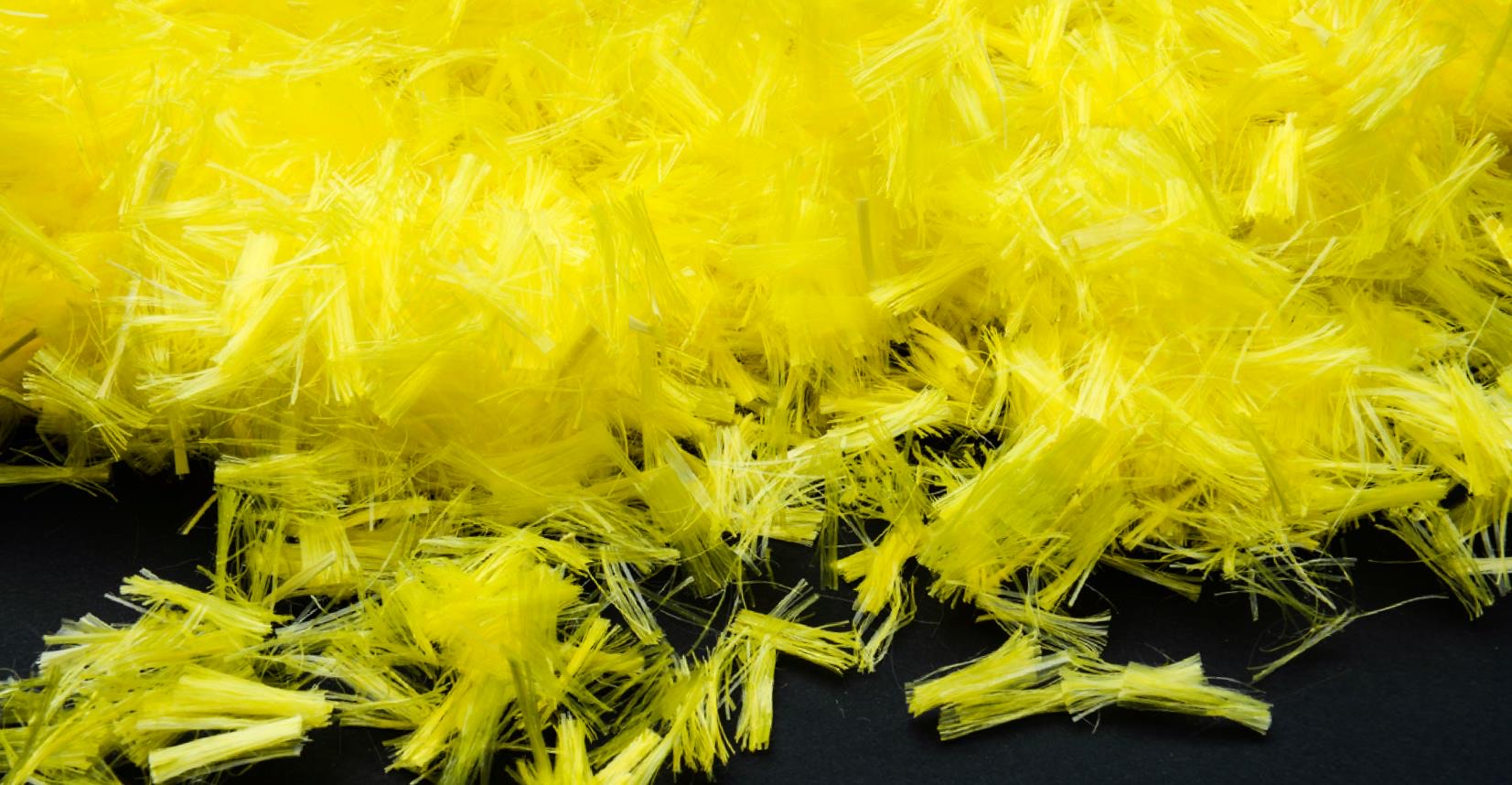
Fibres in the asphalt carry the tensile forces that would otherwise cause cracking. Added at the mixing plant, laid as usual.
Asphalt defects
Asphalt can take compression, but hardly any tension. Choose a defect.
Without fibre
Every axle flexes the pavement. It cracks from the bottom up, a little further each year.
With AsphaltX
The fibre carries the tension and bridges cracks.
approx. 50%longer service life according to the data sheet
Without fibre
In freezing weather the pavement contracts and cracks transversely.
With AsphaltX
The fibre holds it together, even in the cold.
−26.3 °Cfracture temperature in the lab
Without fibre
An old crack in the underlying layer reflects up through the asphalt.
With AsphaltX
According to the product sheet, the pavement resists reflective cracking better.
Without fibre
Load and heat press a rut into the wheel path.
With AsphaltX
The fibre keeps the mix in shape.
−49%rut depth in the lab, 2.5 instead of 4.9 mm
Without fibre
Aggregate particles come loose from the surface.
With AsphaltX
The fibre keeps the aggregate bound together.
10×more wear without fibre
Without fibre
In the hot mix, bitumen drains downwards.
With AsphaltX
According to the product sheet, the fibre keeps the binder in the mix.
Schematic. Values from the data sheet and the IBQ Institut.
Asphalt is mixed hot. The aramid fibre does not melt until 450 °C and carries load throughout the pavement.
Tensile strength
Polyethylene35 MPa
Twaron® aramid3,000 MPa
Melting point
Polyethylene100–130 °C
Twaron® aramid450 °C
Aramid fibre values according to the data sheet. AsphaltX is a blend of aramid and polypropylene fibres.
Rut depth in the lab · IBQ Institut, AC 11
Within the requirements of the German ZTV and TL Asphalt-StB.
Construction
Worked example for 7,200 m² of road: 8 cm with fibre instead of 10 cm in two layers.
−€64,800less asphalt, around 20 %
Operation
According to the data sheet, the pavement lasts around 50 % longer.
−⅓cost per year in service
System
No excavation, no soil replacement.
up to 40 %on the road foundation
Worked example excluding fibre, transport and import costs. Layer thickness is determined by each project's pavement design.
The fibre comes in a bag and goes into the mixer, bag and all.
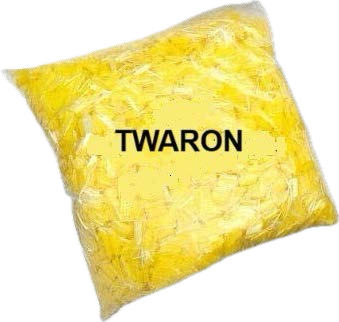
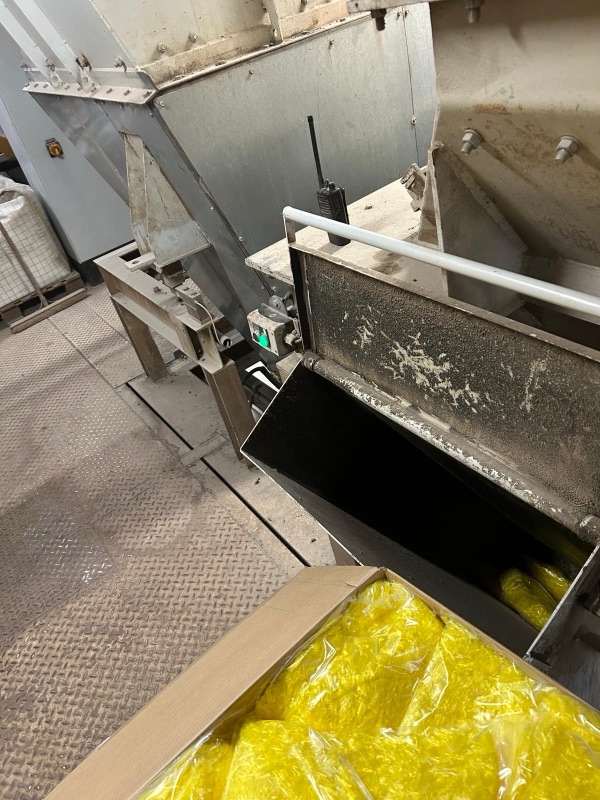
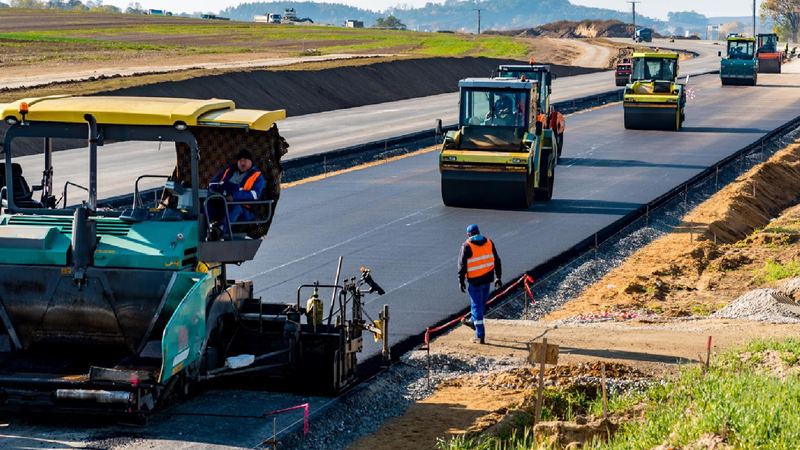
Binder and surface courses, hot and warm mix. Pavers and rollers stay the same.
AC
SMA
PA
Schematic.
No. The fibre goes into the mixer; pavers and rollers stay the same.
0.5 to 0.8 kg per tonne, depending on the mix.
In the lab, AC 11 with fibre was within the requirements of the German ZTV and TL Asphalt-StB. For your mix, the initial type test is decisive.
The data sheet and mixing instructions are available. We can send the IBQ Institut test report on request.
Tell us the mix, layer and quantity. We will then agree dosage, trial mix and delivery with you.
Twaron® is a registered trademark of its owner.